
Developing a Love for Nature Through Simple Everyday Activities
Nature is all around us, even when we live in busy cities surrounded by buildings, roads, and modern technology. A small garden, a neighborhood park, or a quiet outdoor corner can provide opportunities to appreciate the environment.
Developing a connection with nature does not require expensive equipment or complicated plans. It often begins with simple activities such as observing plants, listening to birds, watching butterflies, or taking a peaceful walk.
These experiences can encourage curiosity and help people understand why protecting the natural world is important.
Learning to Appreciate Small Natural Details
Many people walk through outdoor spaces without noticing the details around them. However, slowing down and observing the environment can reveal interesting things.
Look closely at the shape of leaves, the patterns on tree bark, the movement of clouds, and the colors of seasonal flowers.
Even small insects have fascinating behaviors. Ants work together, butterflies visit flowers, and bees move between plants while searching for food.
Observing these activities can create an appreciation for the relationships that exist within nature.
Children can particularly enjoy this process because every discovery creates an opportunity to ask questions.
Creating a Nature Journal
A nature journal is a simple way to record outdoor experiences.
Choose an ordinary notebook and use it to document observations. Entries can include descriptions of plants, weather conditions, interesting animals, and seasonal changes.
Drawings are not required to be perfect. Simple sketches can help record the appearance of leaves, flowers, or insects.
Photographs can also be added to digital journals.
Over time, the journal becomes a personal record of discoveries and learning experiences.
It can also encourage people to revisit familiar outdoor places and notice how they change throughout the year.
Exploring Local Parks and Green Spaces
Local parks provide convenient places to enjoy nature without traveling far.
Some parks have walking trails, gardens, playgrounds, lakes, or designated wildlife areas. Each location offers different opportunities for exploration.
Before visiting, check park rules and available facilities. Choose suitable footwear, carry drinking water, and plan activities according to the weather.
Families can organize walking challenges, photography sessions, or simple observation games.
A regular visit to the same park can be particularly interesting because it allows visitors to notice seasonal changes and wildlife activity.
Understanding the Importance of Trees and Plants
Plants play essential roles in natural environments. Trees provide shade, support wildlife, and contribute to healthier outdoor spaces.
Different plant species also provide food and shelter for insects, birds, and other animals.
Learning about native plants is a useful starting point for anyone interested in environmental protection.
Native species are adapted to local conditions and can support regional wildlife. When choosing plants for a garden, research which varieties are suitable for the local climate and soil.
Planting even a few suitable species can make a garden more attractive and environmentally valuable.
Supporting Wildlife Responsibly
Wildlife observation can become a rewarding hobby when practiced respectfully.
Birds, butterflies, squirrels, and insects can often be seen in gardens and parks. Their behavior provides opportunities to learn about feeding patterns, communication, movement, and habitat requirements.
However, observing wildlife should never involve disturbing nests, handling wild animals, or feeding unsuitable food.
If you want to make your garden more welcoming to wildlife, consider appropriate native plants and clean water sources.
Always research the needs of local species before introducing feeding stations or other wildlife features.
Responsible observation allows people to enjoy nature while respecting the animals that live there.
Discovering the Benefits of Gardening
Gardening is a practical way to build a closer relationship with the environment.
Growing plants teaches people about soil, water, sunlight, and seasonal cycles. It also creates a reason to spend time outside regularly.
Beginners can start with easy-to-maintain plants in small containers. Herbs, suitable flowers, and certain vegetables are common choices for home gardening projects.
A successful garden does not need to be large. Even a balcony with a few containers can become a pleasant green space.
Gardening can also be a shared activity for friends and family members.
Developing Creative Nature-Based Hobbies
Nature offers inspiration for many creative activities.
Photography is one example. People can capture the changing appearance of landscapes, flowers, trees, and wildlife.
Painting and drawing are other enjoyable options. Some people prefer sketching plants, while others create larger artwork inspired by natural scenery.
Writing is another possibility. Nature journals, short stories, and personal observations can help turn everyday experiences into meaningful creative projects.
Animal lovers may also enjoy exploring different species and learning about their personalities. For an additional source of animal-related inspiration, take a look at these creative ideas for animal lovers.
Teaching Children About Environmental Responsibility
Children can develop an appreciation for nature through practical experiences.
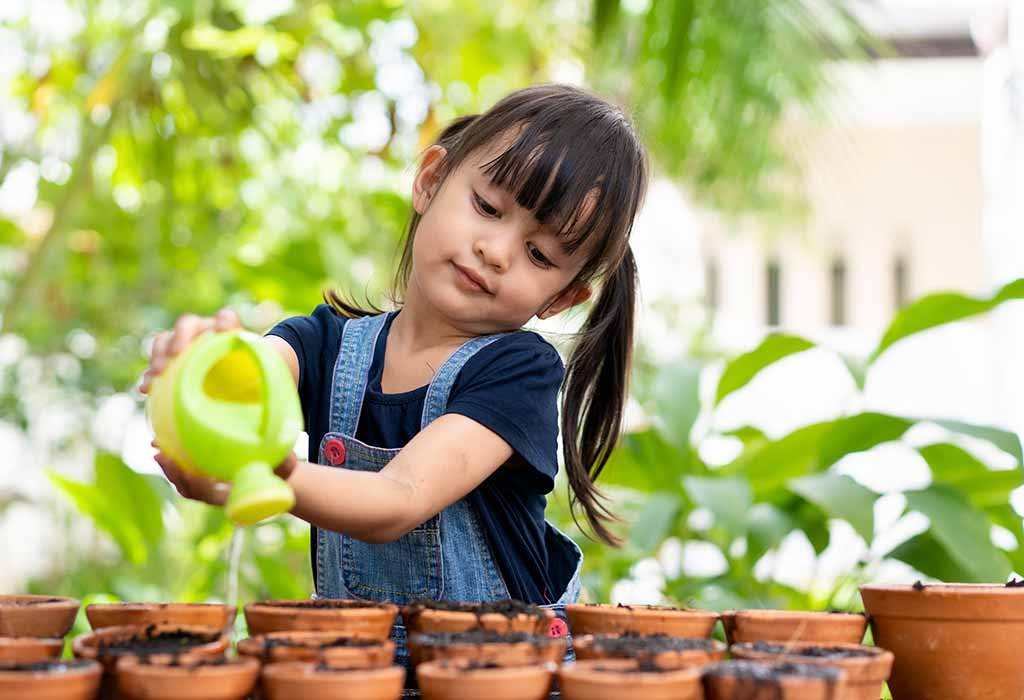
Parents and teachers can encourage simple activities such as watering plants, keeping outdoor areas clean, observing birds, and learning about local ecosystems.
Explain why littering can harm animals and why natural habitats should be protected.
Children can also participate in age-appropriate community activities, such as supervised planting projects or neighborhood cleanups.
The goal should be to make environmental responsibility understandable and enjoyable rather than presenting it as a difficult obligation.
Making Nature Part of Everyday Life
Busy schedules can make it difficult to spend extended periods outdoors. Fortunately, nature-based activities can fit into ordinary routines.
A short walk after dinner, watering plants in the morning, or sitting outside with a book can become regular habits.
People can also reduce unnecessary screen time by replacing a small portion of their indoor entertainment with outdoor experiences.
Consistency is more important than the amount of time spent on any single activity.
Conclusion
Developing a love for nature begins with curiosity and small everyday actions. Observing wildlife, growing plants, exploring parks, and recording natural discoveries can make the environment more meaningful.
These activities encourage learning, creativity, and responsible behavior toward living things.
Everyone can find a suitable way to connect with nature, regardless of age or available space.
By paying attention to the natural world and treating wildlife with respect, people can develop habits that make everyday life more interesting while contributing to a healthier environment.
For readers who enjoy discovering more about animals and related topics, this animal inspiration resource provides another interesting topic to explore.